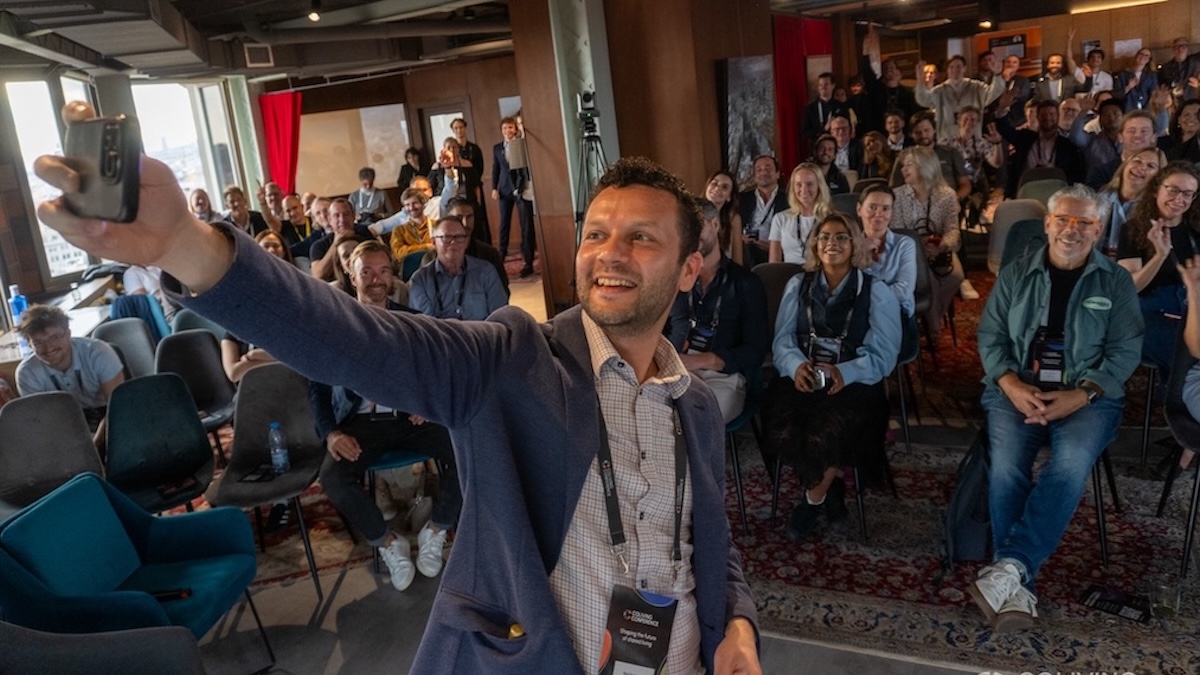

After a successful first international edition of the Coliving Conference in Barcelona, Spain, in 2025, we knew that this year had to be bolder. Our starting point was not “where next?”, but asking ourselves: Where is the conversation about housing, work, and community most alive right now?
Again and again, the answer pointed us to London.
London is a city of ambition and scale. It is fast-moving, creative, highly regulated, globally connected, and endlessly influential. It brings together capital and culture, policy and experimentation, legacy systems and emerging ways of living. It is precisely these tensions that make it the right city to host Coliving Conference 2026.
Recent sector research shows that the United Kingdom now has approximately 9.000 operational coliving units, with a further 5.500 units under construction, and thousands more moving through planning. In 2024 alone, around 9.000 new coliving units were submitted for planning - an 87% increase on the previous year. More importantly, London accounts for the majority of that activity. Approximately 55% of all operational and pipeline coliving beds in the United Kingdom are concentrated in London. In other words, if coliving is scaling in the United Kingdom, it is scaling most visibly in London.
What once sat at the edges of hospitality, real estate, and lifestyle branding is now entangled in wider conversations about affordability, density, labour mobility, mental health, migration, and long-term urban resilience. London both reflects and amplifies these issues. Hosting Coliving Conference in London is about situating our collective work within one of the most challenging urban housing ecosystems in the world.
A City Where the Housing Question Is Unavoidable
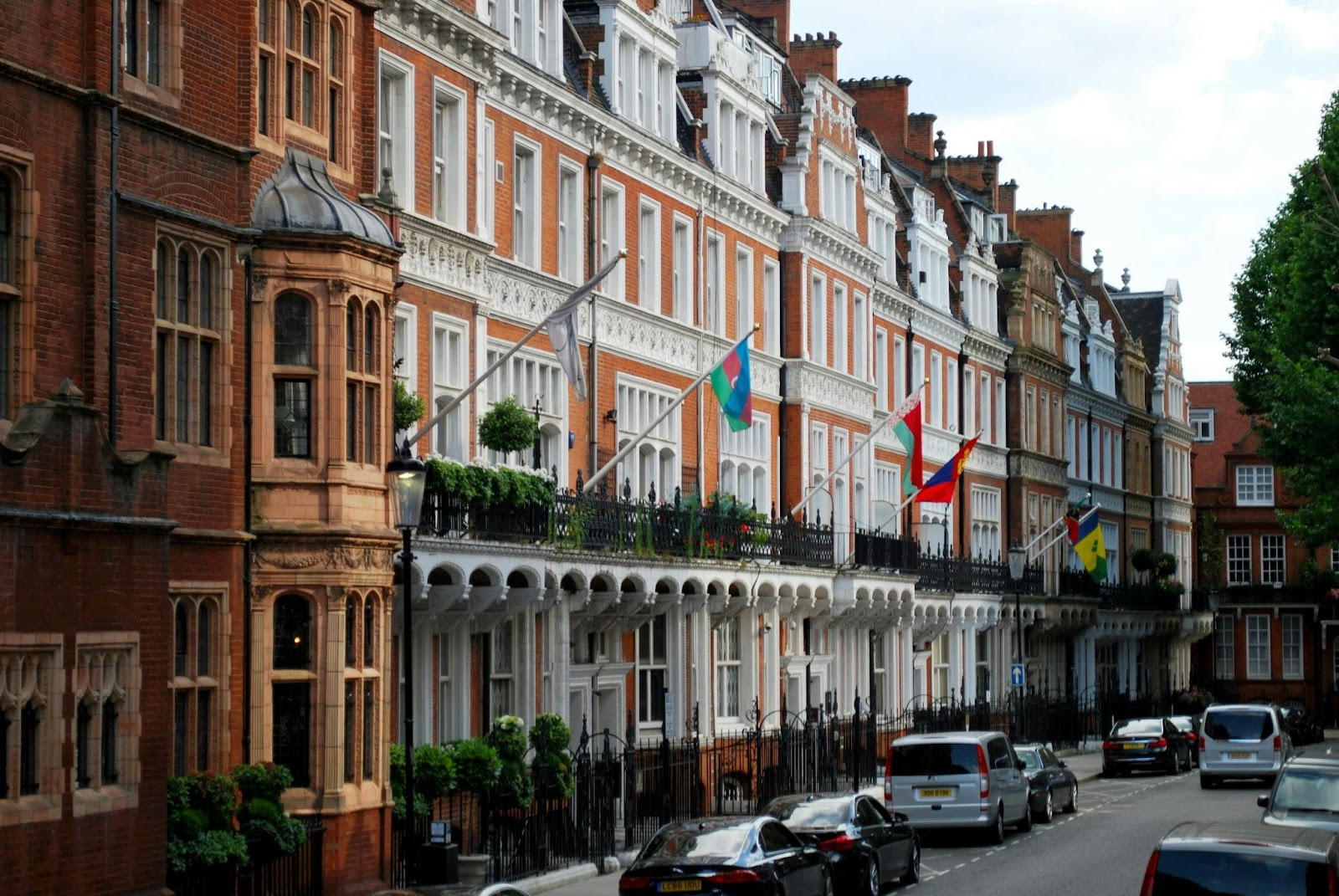
London is often described as a “global city,” and nowhere is that more visible than in its housing landscape. The city continues to attract talent, investment, and ideas from across the world, even as it grapples with rising rents, changing household structures, and new expectations around flexibility and mobility.
These conditions closely mirror the forces that gave rise to coliving. Coliving didn’t emerge because people suddenly wanted shared dinners or curated community events. It emerged because traditional housing models stopped reflecting how people actually live and work today - particularly remote workers, early-career professionals, migrants, students, and those navigating non-linear life paths.
London brings this reality into sharp focus. It challenges the industry to think clearly about purpose and impact, while also offering the scale and diversity needed to test new models of shared living. These are exactly the conversations we want to be having in 2026.
A Living Laboratory for Policy, Planning & Regulation
Few cities have such a dense and evolving relationship between housing policy, planning frameworks, and private development. London’s borough-level governance structure, combined with national housing targets and global investment flows, makes it one of the most complex regulatory environments in which coliving operates.
Over the past decade, London has played a central role in shaping how coliving is defined, contested, and institutionalised. From early coliving pilots to formalised planning use cases, the city has become a testing ground for what happens when new residential typologies collide with legacy zoning systems. Institutional capital is increasingly targeting the United Kingdom living sectors, with billions projected to flow into residential formats - including build-to-rent and coliving - over the coming years, and that capital often converges first in London.
For operators and developers, London is where ambition meets friction. For policymakers and planners, it is where innovation must be balanced against public accountability. For all of us, it offers real-world lessons about what it takes to move coliving from the margins into the mainstream without losing its social promise.
By hosting the conference in London, we are creating space for deeper engagement between these groups grounded in lived regulatory experience.
A Global Talent Magnet - and a Transient One
London continues to attract people from all over the world. It is a city shaped by migration, whether through international students, skilled workers, entrepreneurs, or those navigating more precarious pathways. Yet it is also a city where staying long-term has become increasingly difficult.
This tension between arrival and impermanence sits at the heart of contemporary coliving. Many residents come to London for opportunity, but find themselves cycling through short-term leases, flatshares, and informal arrangements that offer little stability or belonging.
Coliving has positioned itself as a response to this condition - offering flexibility without isolation, density without anonymity, and temporary living without social disconnection. London allows us to examine whether these claims hold up at scale, and what responsibility operators have toward residents whose “temporary” stays stretch into years.
It also invites us to think critically about how coliving intersects with migration status, labour precarity, and the uneven distribution of risk in urban life.
Where Real Estate Capital Meets Cultural Production
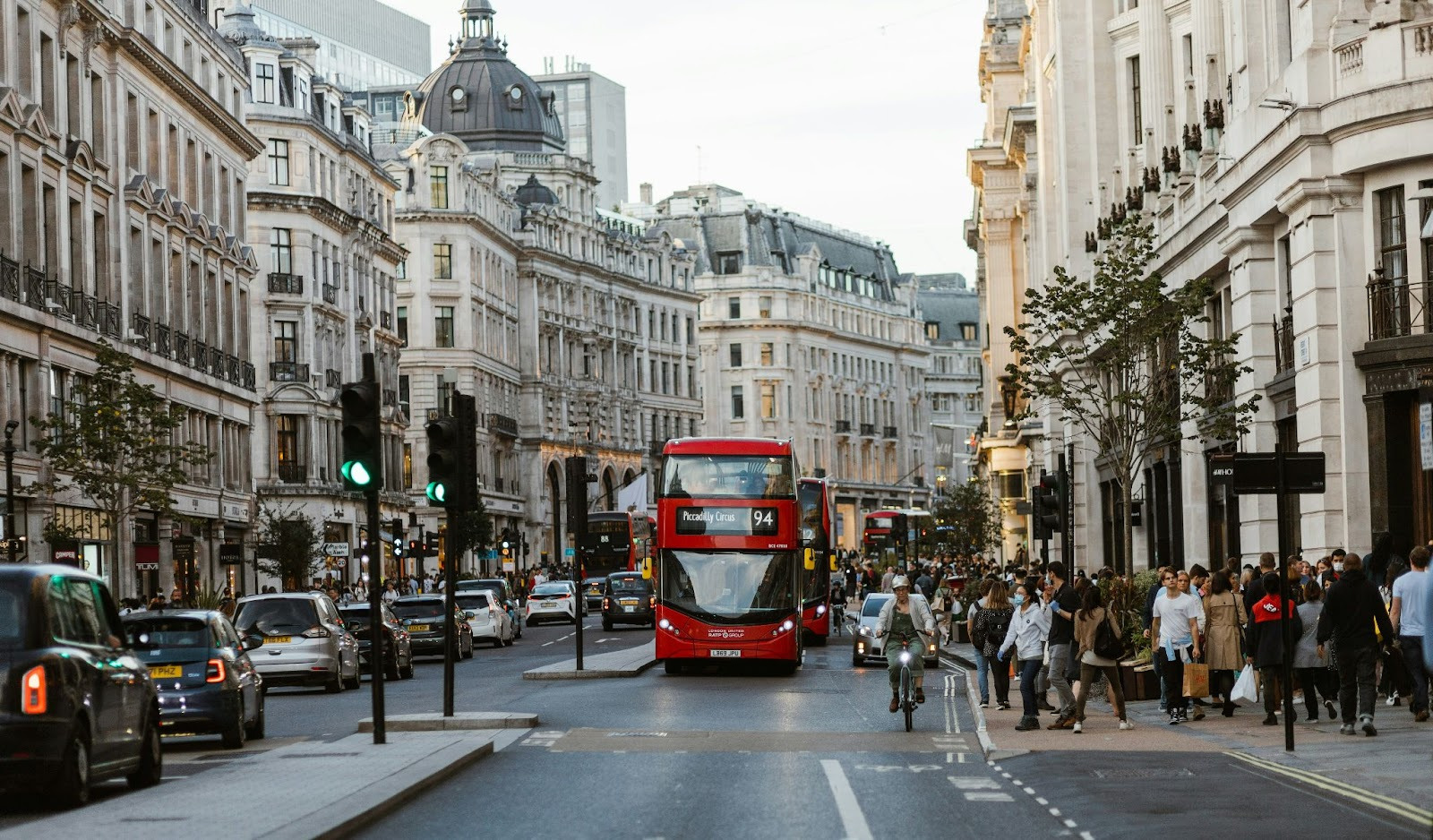
London sits at a unique intersection - global institutional capital on one side, and grassroots housing experimentation on the other. Alongside major investors and large-scale residential platforms, the city hosts cooperative housing initiatives, community land trusts, and alternative ownership models.
Coliving exists within this same tension. It attracts institutional funding while borrowing language from communal living traditions - mutual support, shared resources, collective experience. One of the renowned planning consultancies have described 2025 as a year in which coliving “came of age” in the United Kingdom - signalling not only growth, but formal integration into the residential development landscape.
As coliving scales, the contradictions become sharper. How do we balance financial viability with social responsibility? What happens to community when product becomes asset class? Who benefits when scale is achieved?
In London, these questions are visible on every street.
A Mature Coliving Ecosystem
London has one of the most developed coliving ecosystems in Europe. It is home to a wide range of operators, from large-scale, institutionally backed developments to smaller, community-led experiments. It also hosts architects, designers, researchers, policymakers, and journalists who have been thinking critically about shared living for years.
This maturity matters. It allows us to move beyond introductory conversations and focus instead on nuance, complexity, and long-term impact. Coliving Conference 2026 is not about explaining what coliving is, it’s about interrogating what it has become - and moving the conversation to what it could still be. London offers the density of experience required for that kind of conversation.
A City That Shapes Global Narratives
What happens in London rarely stays in London. Its planning decisions, real estate trends, and housing debates are watched closely by cities across Europe and beyond. By hosting the conference here, we are situating coliving within a city that helps set the tone for global urban discourse.
This is particularly important as coliving continues to expand into new markets. The lessons learned in London - both successes and failures - will influence how shared living is understood and implemented elsewhere. Bringing the international coliving community into this context allows for cross-pollination between local insight and global perspective.
London as a Moment, Not Just a Location

Choosing London is about timing.
We are entering a period where housing is no longer a niche concern, but a central political and economic issue. The cost-of-living crisis, shifts in work patterns, and growing awareness of loneliness and social fragmentation have pushed questions of how we live to the forefront.
Coliving sits uncomfortably within this moment. It is neither a silver bullet nor a passing trend. Hosting Coliving Conference 2026 in the capital of the United Kingdom allows us to engage with that ambiguity honestly - in a city that embodies both the urgency and the complexity of the challenge.
Looking Ahead to 2026
Coliving Conference has always been about more than showcasing projects or celebrating growth. It is a space for critical reflection, shared learning, and difficult conversations. London gives us the right conditions to do that work well.
In 2026, we will gather in a city that demands rigour, accountability, and imagination. A city that challenges the industry to think beyond surface-level branding and into long-term urban impact. A city that reflects both the promise and the limits of coliving today.
That is why we chose London - and we look forward to welcoming you into the conversation.
Would you like to co-create our most ambitious and international edition to date?
London is calling all the top players in coliving and shared living today! Explore Collaboration Opportunities here.